ServicesRoof Inspections
Roof Inspections in Williamsport, OH
Before you spend money on your roof, it helps to know what's really going on up there. We walk the roof, check the attic and photograph each problem, then give you an honest read on whether repair, replacement or simply keeping watch makes sense for your home.
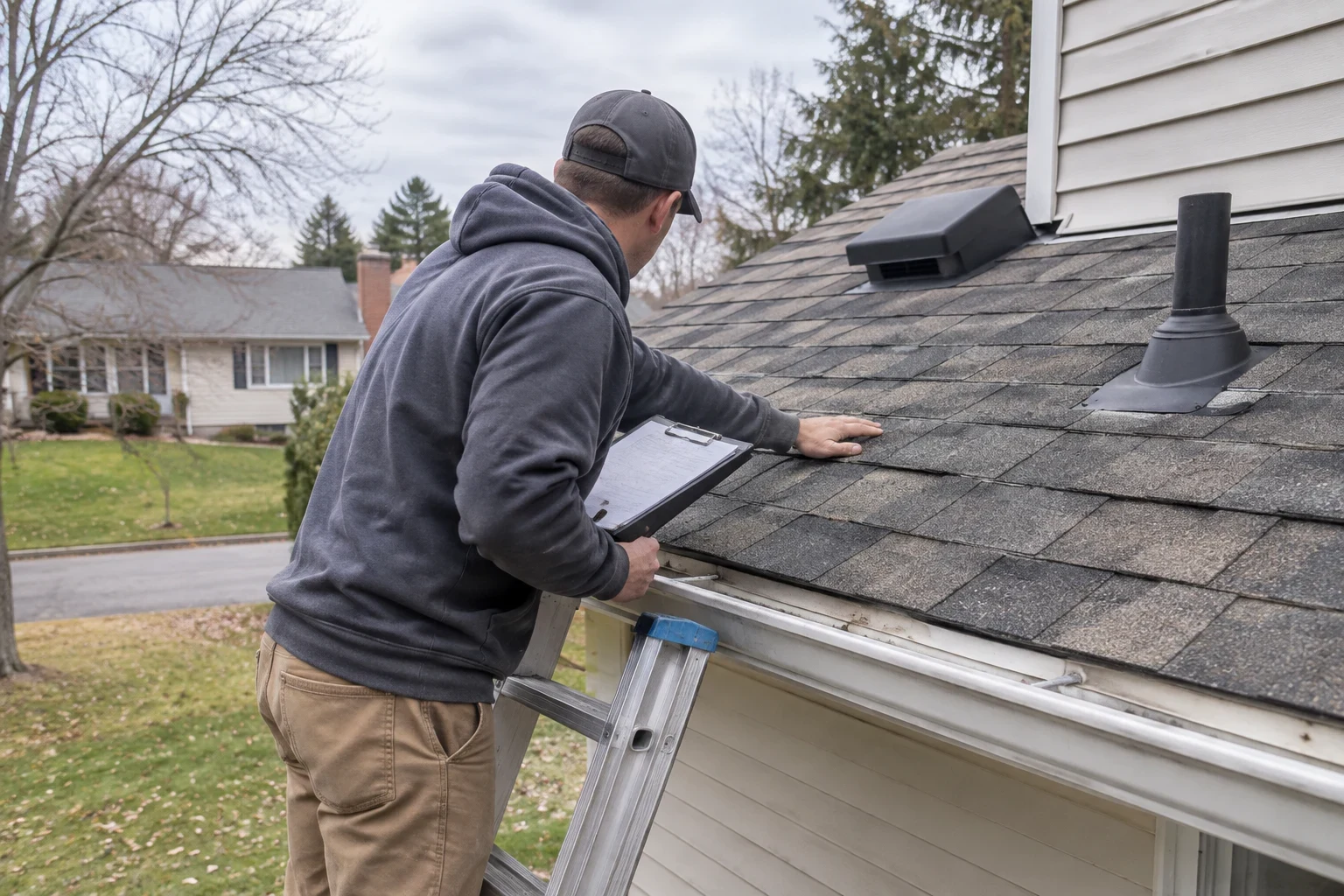
A clear look before you spend money
A roof inspection is the step before any big decision. Maybe you're buying a house, maybe the shingles are starting to look tired, or maybe you just want to know how many good years are left. We check the roof surface, look at the attic from the inside, and review the gutters, soffit and fascia that keep water moving away from your home.
Ohio winters are hard on roofs in quiet ways. Water slips under a lifted shingle edge during a thaw, freezes overnight and pries the gap open a little more. Those small failures rarely show from the yard, so an inspection often catches them while they're still a modest roof repair instead of a ceiling stain.
We don't use an inspection to sell you a new roof. If yours has life left, we'll say so and point out what to watch.
The parts of your roof we cover on the visit
- The shingle layer
- Curled edges, cracks, missing tabs and bald spots where the protective granules have worn away all get noted. So do nail heads that have pushed up through the shingles. Together they show us how old the roof really is and where water is likely to travel.
- Chimneys, vents and wall joints
- Leaks most often start where something pokes through the roof or where the roof meets a wall. We study the metal flashing at chimneys, skylights and sidewalls for rust and gaps, and we check the rubber collars around vent pipes, since sun exposure eventually splits them.
- Your attic and the roof boards
- Inside, we look at the underside of the decking for water marks, check insulation for damp or flattened patches, and watch for daylight that shouldn't be there. In winter, frost on the nail tips tells us moisture is getting trapped up there.
- Roof edges and valleys
- These spots handle the heaviest runoff, and they're where ice dams like to settle. We feel for soft decking and look for worn shingles or staining that points to water backing up.
- Gutters, soffit and fascia
- We make sure the gutters slope toward the downspouts and that the downspouts empty well away from your foundation. Fascia boards get checked for rot, and we note any soffit vents that are blocked, because they control how your attic breathes.
- Photos with plain notes
- Every problem we spot gets a photo and a short note in everyday language. We group them into what should be handled soon and what can safely wait.
Good times to get your roof looked at
You've spotted a stain inside
A brown ring on a ceiling or dark areas on attic boards tell you water is getting in. Where it enters is often several feet higher up the slope than the mark you see.
Sandy grit collecting in gutters
Aging shingles shed their granular top layer. Some after a storm is normal, but large amounts mean the shingles are wearing thin.
Big ice buildup at the roof edge
Heavy icicles and ice ridges along the eaves during a freeze usually point to house heat leaking into the attic. As that ice melts, water can work its way under the shingles.
You're buying or selling a home
Plenty of general home inspectors only view the roof from the driveway. A close look from a roofer gives you better information before you sign or agree on a price.
The roof's age is unknown
When no one knows when the roof went on, or it has been up for many years, a checkup helps you plan instead of reacting to a leak.
How your inspection goes
- 1
A quick phone conversation
You tell us about the house, how old the roof is if you know, and anything that's been bothering you. Then we pick a time that suits your schedule.
- 2
Outside and on the roof
We begin with a lap around the house, then climb up wherever the pitch and surface are safe to walk. If a roof is steep or fragile, we check it from the ladder at several spots rather than risk harming it.
- 3
Inside the attic
We'll need to get to the attic hatch, so a clear path to it saves time. This is often where we learn the most about leaks and ventilation.
- 4
Going over the results
Once we're back on the ground, we review the photos with you and explain each item in everyday language. If something needs work, you'll hear what it is and why it matters, and the decision stays with you.
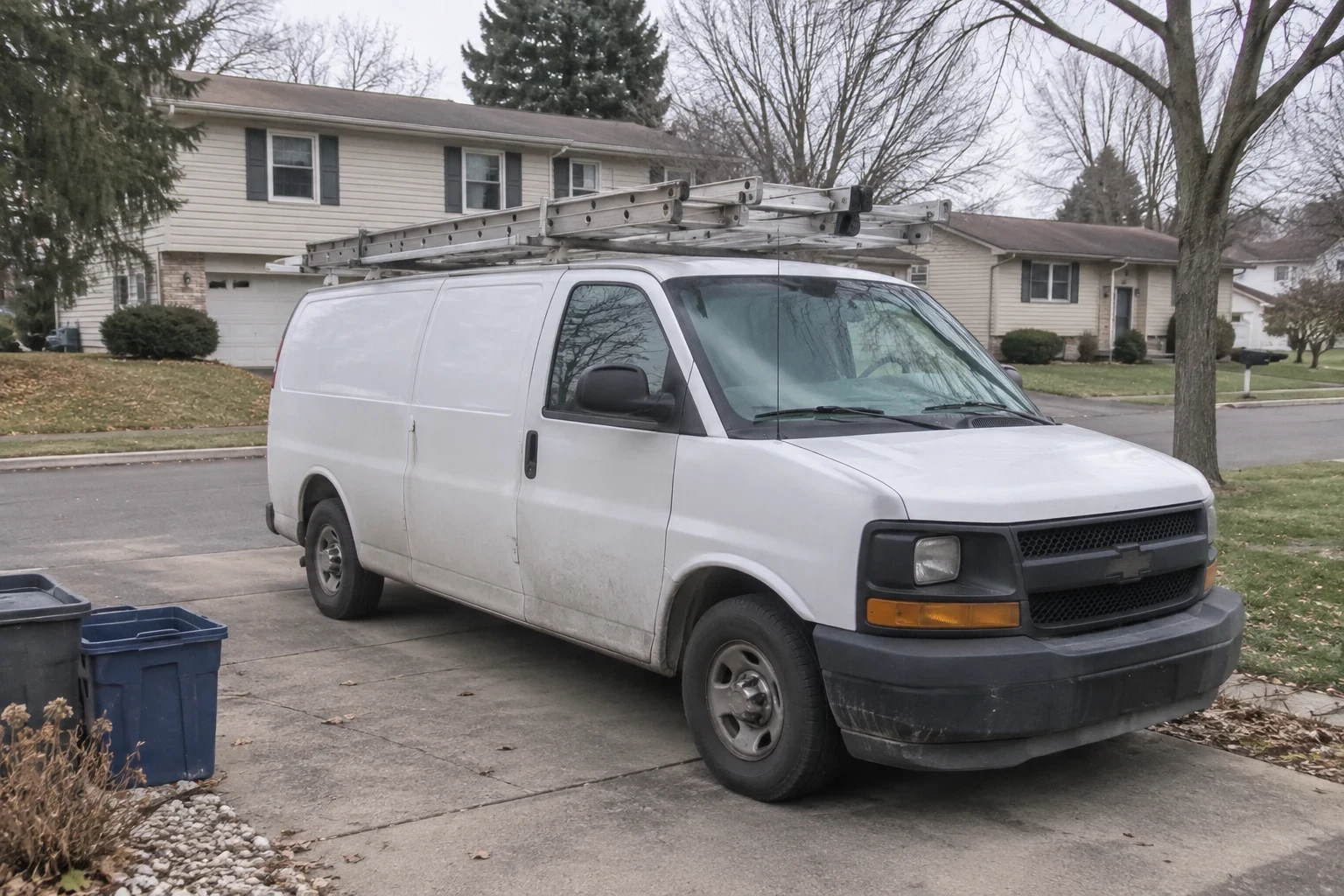
What affects the cost of an inspection
We'll talk through the cost of your inspection on the phone before we schedule, so nothing comes as a surprise. Most of the price comes down to how long the visit runs and how much roof there is to cover.
- Size and shape of the roof
- A plain ranch roof doesn't take long. Multiple valleys, dormers and changes in roof height add time, because each one needs a proper look.
- Pitch and access
- A steep pitch, high two-story eaves or cramped corners close to trees or power lines mean we move slower and take extra safety steps. That care adds time to the visit.
- Attic access
- A pull-down hatch in a hallway is quick to work with. A tight closet opening or an attic without a clear path across the joists takes longer.
- The kind of report you need
- Some buyers and sellers want a more detailed written report. Mention it on the call and we'll plan the visit around it.
Common inspection questions
Something not covered here? (740) 661-8152
How long will the inspection take?
Around an hour for most homes, including time to review what we found with you. Larger or more complex roofs can take longer, and we'll give you a rough timeframe when we book.
Should I be there for it?
It's best if you are. We have to get into the attic, and going through the photos together lets us answer your questions right then.
Can walking on my roof damage the shingles?
We step carefully and only walk roofs whose slope and condition can take it. Brittle old shingles can crack underfoot, so for those we inspect from the ladder and along the edges.
Am I obligated to hire you for any repairs you find?
No. You keep the photos and our explanation regardless. If you'd like us to handle the roof repair or a roof replacement, we're glad to discuss it, and there's no pressure to decide.
How often should I have my roof checked?
Every few years works well for most homes, and more often as the roof gets older. It's also wise after a winter with heavy ice or any time a new stain appears indoors.
Will you inspect a home I'm considering buying?
Yes. We do buyer inspections in Williamsport and nearby towns such as Circleville and Chillicothe. Tell us your closing date when you call so we can schedule the visit before it.
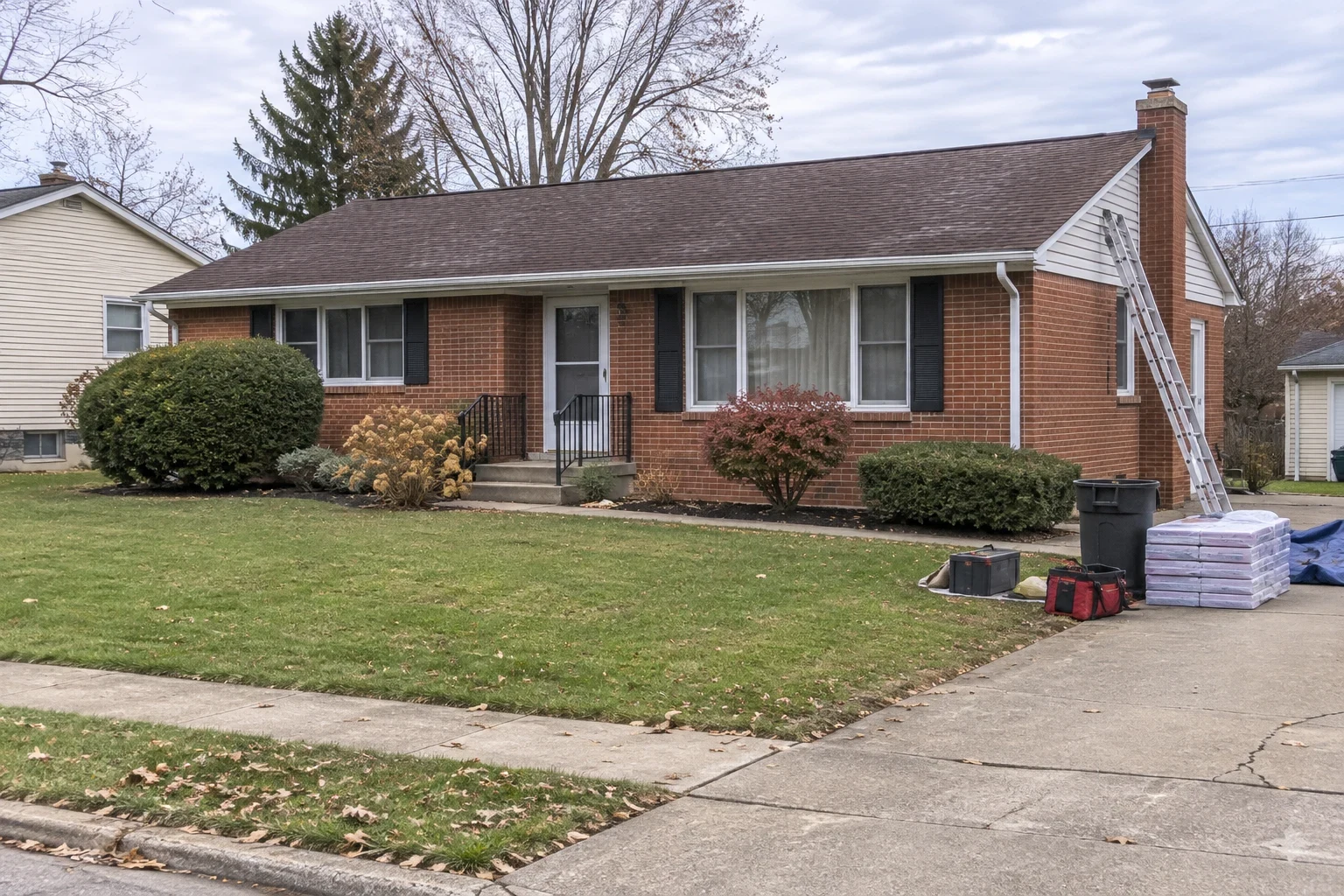
Learn what shape your roof is in
One short visit gives you photos, a clear explanation and a good idea of what your roof needs next. Call us and we'll book a time.